
How to Prepare for a Business Loan Application
Securing a business loan is often a critical step for entrepreneurs looking to start or grow their ventures. However, the loan application process can be complex and daunting, requiring

If you are wondering how long business loans last on average, there is no straight answer that applies to all loan types. The easy answer would be one to five years on most of the long-term small business loans, and around 1-2 years on most short-term business loans.
More specifically, the repayment periods and requirements are determined according to the:
For standard business bank loans, the repayment period is from 5 to 7 years on average. SBA loans are known for longer repayment periods which can last up to 25 years, while business term loans are repaid between 1 and 5 years on average.
The lender is who determines the repayment structure, along with the repayment period. In most cases, you can repay a long-term business loan on a monthly or a bi-monthly basis. This means that the payments could start in as little as a few weeks after you’ve taken the loan.
At the same time, these are some of the characteristics that make loans more desirable. With a short-term loan, there could be a weekly or a daily repayment schedule over a period of less than a year, and a total repayment period as short as three months.
So, the short answer to the question above is that repayment terms vary according to several factors. These include the lender you work with, the type of loan that you receive, the intended use of funds, and what the business qualifies for.
The exact repayment periods vary from borrower to borrower, and loan to loan. The lender determines the length after they assess the risk as a borrower. Generally, they need to feel confident that you are able to repay the debt on time, in order to approve it.
From the perspective of the lender, the longer the repayment period is, the greater the risk is to the lender. Now, that is the risk that needs to be calculated. In other words, the length of the repayment period depends on the type of financial credentials that you will bring to the table as a business owner, along with the kind of business financial history that you can show. The typical rule by hand is that less risk means a less expensive loan.
The evaluation process for small business loans determines the repayment period for the long-term loan, including information that may include your credit score, outstanding debt, revenue, and tax returns.
Long-term business loans are loans that have a longer repayment period, that lasts anywhere from a year up to 5, 10, or even 25 years in some cases. They are the most common type of small business loans and a primary choice for corporate financing for many small business owners.
Also known as term loans, they are characterized by the lump sum that is deposited to your bank account once the loan is approved. The repayment period in them is usually set in monthly or bi-monthly installments and with fixed interest rates, although that is not always the case.
Every long-term loan has lengths that vary based on a number of factors. These include the loan amount, the purpose for the loan, the lender’s policy, etc. However, in most of the cases, long-term business loans have terms anywhere between 3 and 10 years.
When it comes to interest rates, long-term loans do not come with previously set rates, and they often vary by lender, the borrower and their creditworthiness, as well as the amount of the loan itself.
Business bank loans, term loans, and SBA loans are among the most common types of long-term business loans that offer various options for your small business to pursue.
For business bank loans, the usual repayment period is about 5 to 7 years. These are after all long-term loans and repayment periods tend to be longer than usual, while the payments are based on monthly or bi-monthly installments.
Term loans are good for small business owners who can’t go the traditional route and score a long-term business loan from a bank. Alternative lenders can be more flexible with the qualifications compared to banks, and the funds can be sent out pretty quickly. In that manner, the usual repayment period for a term loan is 1 to 5 years.
Lastly, SBA loans are known as the gold standard in the industry, and are often issued by banks that participate in the SBA loan program. All of this means that the SBA loan application is usually sent directly to eligible banks. SBA loans offer the longest repayment periods available, which can go up to 25 years depending on the loan.
A business line of credit is unlike many traditional business loans. When you open a line of credit, the lender gives you a specific amount of funds that you can draw against, and access at any time you need it. Here, you are not required to use all of the funds – you can draw partially and only pay interest on the amount you’ve drawn.
Similar to credit cards for businesses, a business line of credit has lower interest and repayment periods that can be as short as six months. However, in some cases, the repayment periods may also extend to a couple of years.
One of the things businesses find interesting with business lines of credit are the monthly or bimonthly repayment schedules, which work just like a long-term business loan, even though the term here is more similar to a short-term loan.
Securing a business loan is often a critical step for entrepreneurs looking to start or grow their ventures. However, the loan application process can be complex and daunting, requiring

In the dynamic landscape of entrepreneurship, securing adequate funding is often a pivotal step towards realizing your business ambitions. Whether you’re launching a startup, expanding
The products offered by Business Loans Murfreesboro can be business loans, term loans, line of credit, or other products. These are not consumer loans. All products mentioned are subjected to lender approval.
615-257-9923
businessloansmichigan@gmail.com
4167 Franklin Rd A3, Murfreesboro, TN 37128, États-Unis
small business loan, business cash flow, small business loans, business loan, business loans, business loan term length, loan terms, line of credit, loan term, average length of business loan, sba loans, sba loan, south nashville, woodbury
how long can business loans be, business loan term length, average length of business loan
When applying for a business loan, several factors can influence the repayment terms offered by lenders. These factors include the type of loan, the financial health of the business, the intended use of the funds, and the lender's policies. A strong credit score and a solid business plan can lead to more favorable terms, while a lack of financial history may result in stricter conditions.
For instance, lenders often assess the business's revenue, existing debts, and overall financial profile to determine how much risk they are willing to take. A business with a robust financial history may secure longer repayment periods or lower interest rates, while a startup may face shorter terms and higher costs due to perceived risk.
Business loans come in various forms, each designed to meet specific financial needs. Common types include term loans, lines of credit, and SBA loans, each offering unique advantages and repayment structures. Term loans typically provide a lump sum that is repaid over a fixed period, while lines of credit allow businesses to borrow as needed, providing flexibility in cash flow management.
For example, an SBA loan is often favored for its favorable terms and lower down payments, making it an attractive option for small businesses. Understanding the distinctions between these loan types can help business owners choose the right financing solution that aligns with their goals and repayment capabilities.
Applying for a business loan can be a daunting process, and avoiding common mistakes can significantly enhance the chances of approval. One of the most frequent errors is failing to prepare a comprehensive business plan that clearly outlines the purpose of the loan and how it will contribute to the business's growth.
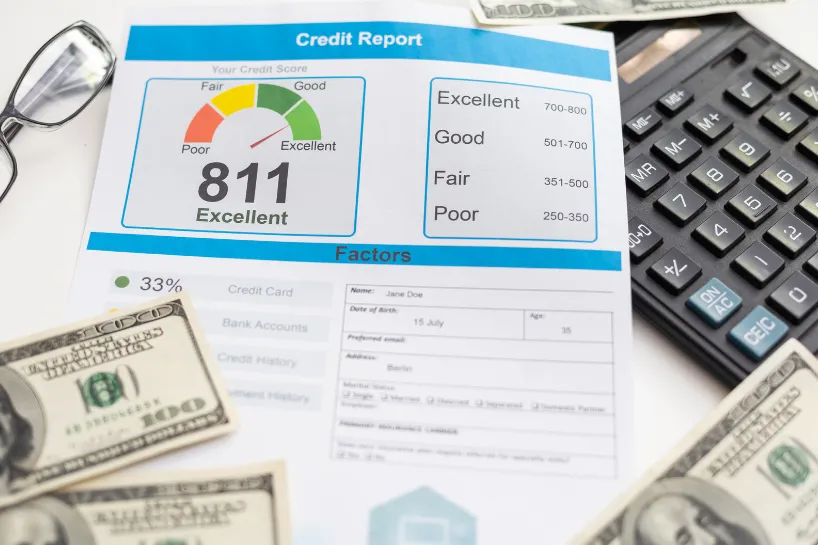
Additionally, not reviewing one's credit report before applying can lead to unexpected surprises. Business owners should ensure their financial documents are up-to-date and accurately reflect their business's performance to avoid delays or denials during the application process.
Selecting the right business loan involves careful consideration of various factors, including interest rates, repayment terms, and the specific needs of the business. Business owners should assess their financial situation and determine how much funding is necessary to achieve their goals without overextending themselves.
Moreover, comparing offers from multiple lenders can help identify the most favorable terms. It's also advisable to consult with financial advisors or loan specialists who can provide insights into the best options available based on the business's unique circumstances.